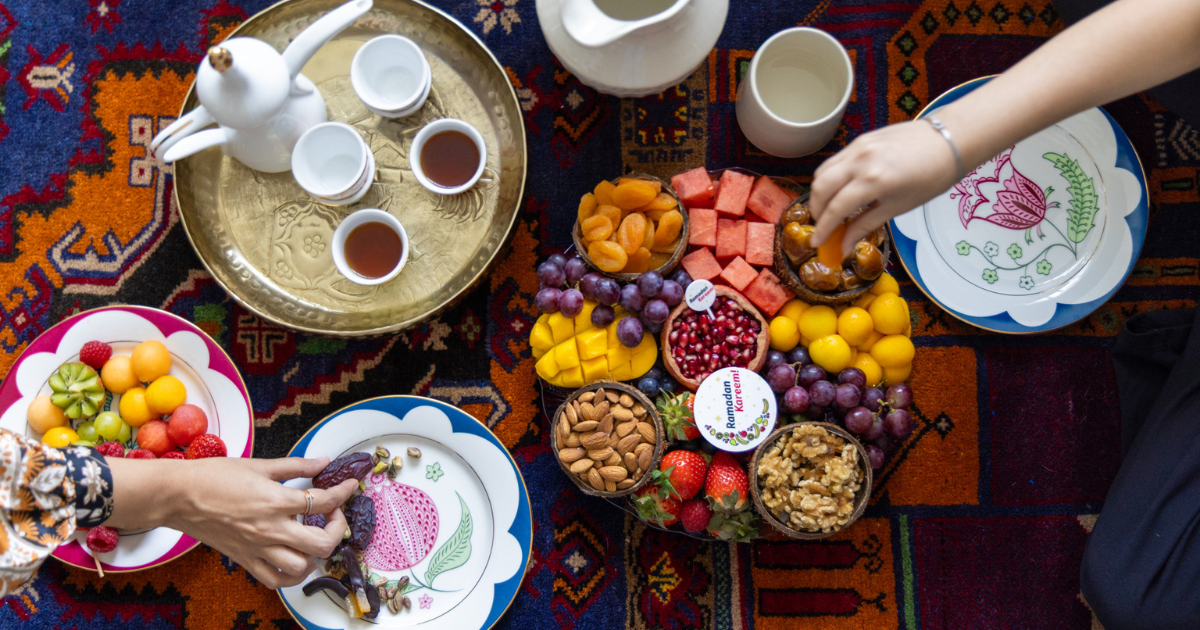
Whether you are fasting for Ramadan, other religious observances, or personal health reasons, there is a lot happening to your body when you fast. And, how you break your fast can also make a difference in your health and how you feel after fasting.
What happens in your body during a long fast
When you go many hours without food or water, your body shifts into what some would call an “energy-saving” mode.
- Blood sugar may gradually drop as you use the energy from your last meal.
- Your your body will burn stored glycogen, which are like energy reserves, and stored fat for fuel.
- Your digestive system gets a rest. Stomach emptying slows, and there is less enzyme activity compared with when you’re eating meals and snacking throughout the day.
- Without fluids for several hours, you may become mildly dehydrated, especially in warmer climates or if your day is busy and active.
When it’s finally time to break the fast, the body is ready for two things above all: fluid and foods that are a gentle source of energy. Too much can overwhelm your body.
Why “easing in” matters
Even when you are not fasting, If you go from an empty stomach to a very large, heavy meal straight away, a few things can happen:
- Blood sugar may surge quickly, especially with very sugary or refined foods, and then crash later, leaving you tired and irritable. Or, if the meal is complex with a lot of carbohydrates and fat, it may cause insulin resistance and high blood sugars over a period of time.
- A full plate of fried or very rich dishes can feel uncomfortable after hours of rest, leading to bloating, reflux, or indigestion.
- Drinking a lot of fluid very quickly can make you feel too full too fast and may not hydrate you as effectively as spacing fluids out over the time you are eating before you fast. Some people may even feel nauseous if they hydrate too quickly.
“Easing in” simply means giving your digestion a few minutes to wake up as you gently hydrate and eat something light and before you move on to a full meal.
Gentle first steps: fluids and natural sweetness
Here are a few body-friendly ways to break a long fast before a larger meal based on how the body uses fluid, carbohydrates, and minerals.
1. Start with water
After hours without drinking, plain water is the best first choice.
- Sip slowly rather than gulping a large amount at once.
- Aim to spread your total fluid intake across the hours between breaking the fast and your last pre-fast drink, rather than trying to catch up in one go.
If you’ve been sweating or very active, you may benefit from water that include electrolytes that does not contain sugar or extra additives. But again, proceed slowly as too much on an empty stomach can make some people feel nauseous. A light soup is also a good choice for breaking a fast.
2. Add a gentle source of quick energy
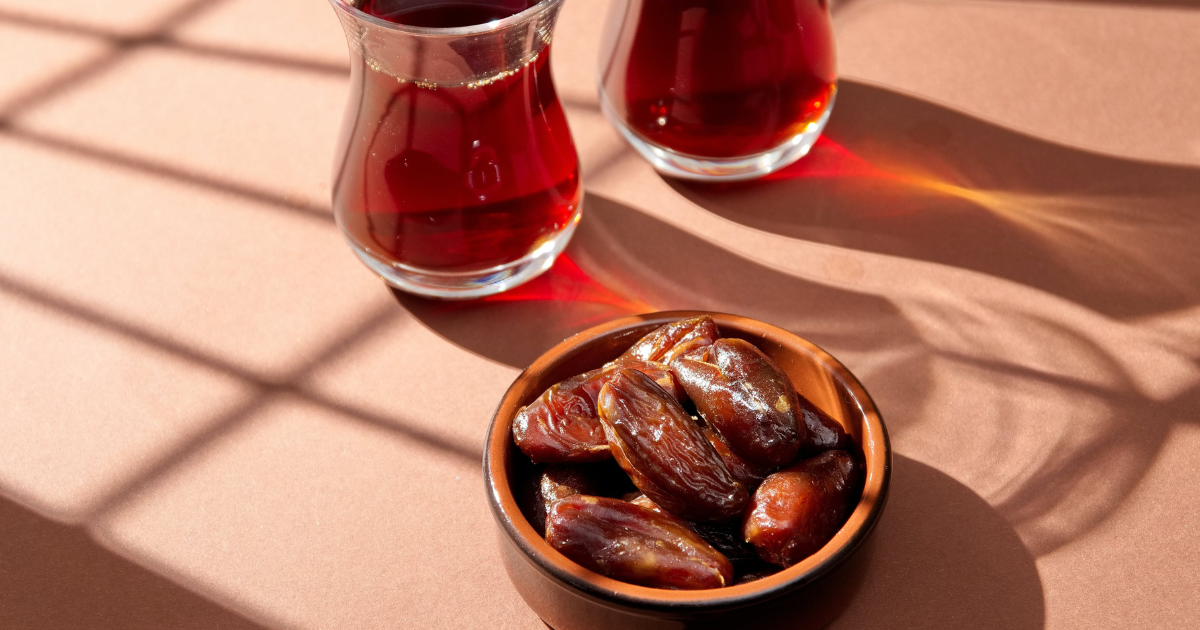
After a long fast, a small amount of easily digested carbohydrate helps raise blood sugar and provides the brain and muscles with accessible fuel.
Some examples include:
- Dates. Breaking a fast with dates is tradition during Ramadan. They are also a healthy way to start iftar. Dates are naturally rich in glucose and fructose, with potassium and a bit of fiber. They are quickly absorbed but kinder to the stomach and digestive system than many other foods.
- Fresh fruit. If you are not fasting for religious tradition, a small banana, orange segments, or melon are good options. These provide water, vitamins, and natural sugars, plus some fiber.
- A small glass of 100% fruit juice, diluted with water. This can offer rapid energy and fluid. But portion size matters just as much as the quality of the juice. And it is especially important for people mindful of blood sugar to not drink too much concentrated juice right away. If you chose this option, it would be best to have at least two-thirds of your glass filled with water. You can always save the rest of the juice to consume throughout your other meals or share it with someone.
The key is small amounts first: one or two dates, a piece of fruit, or a modest glass of juice, followed by a pause before moving to the full meal.
3. Consider options like coconut water
Coconut water is naturally rich in potassium and contains some carbohydrates, making it a gentle way to support hydration and electrolytes after a fast.
- It can be a good option for those who don’t enjoy plain water, as long as you still keep an eye on total sugar intake.
- Not all coconut water is equal. Choose versions without added sugars or flavorings for the most natural option.
- Coconut water should complement water, not replace it.

Building a balanced meal after breaking the fast
Once you’ve hydrated and consumed a small amount of food for quick energy, you can move on to a more complete meal. A healthy, balanced plate helps you feel satisfied without the uncomfortable “post-feast slump.”
Think in terms of:
- Complex carbohydrates – whole grains, legumes, or starchy vegetables to refill energy stores more steadily.
- Protein – such as fish, poultry, eggs, dairy, or plant proteins to support muscle maintenance and keep you full.
- Healthy fats – from nuts, seeds, olive oil, or avocado to help with satisfaction and nutrient absorption.
- Plenty of vegetables – for fiber, vitamins, and a lighter feel compared with a plate made only of heavy foods.
Eating slowly, putting your fork down between bites, and stopping when you feel comfortably full all give your body time to register that it has received the nutrients it needs.
Special note for people with medical conditions
For some people who live with health conditions like diabetes, kidney disease, heart disease, or if you are pregnant, fasting can carry additional risks. It is important to discuss fasting with your qualified healthcare professional (doctor and/or medical team) before you fast to understand how you can do it safely while managing your condition. Your doctor knows your medical history and understands the condition you live with. They are the best resource to guide you if you choose to fast.
Bringing it together: kind, simple choices
Fasting, in many traditions, carries deep personal and spiritual meanings. From a health perspective, the way you enter and exit a fast can influence how you feel physically and mentally throughout. Fasting with healthy awareness will hopefully enhance your experience.
A few principles to keep in mind:
- Rehydrate gradually with water over the non-fasting hours.
- Break the fast with small portions of gentle foods like fruit, dates, or diluted juice before a full meal.
- Build balanced plates that combine healthy, complex carbs, protein, healthy fats, and vegetables.
- Listen to your body. This is especially important if you live with a medical condition. Keep your healthcare team involved in decisions about fasting.
Making healthy personal choices around fluids and food while fasting can be one of the best ways that you can support your physical body.