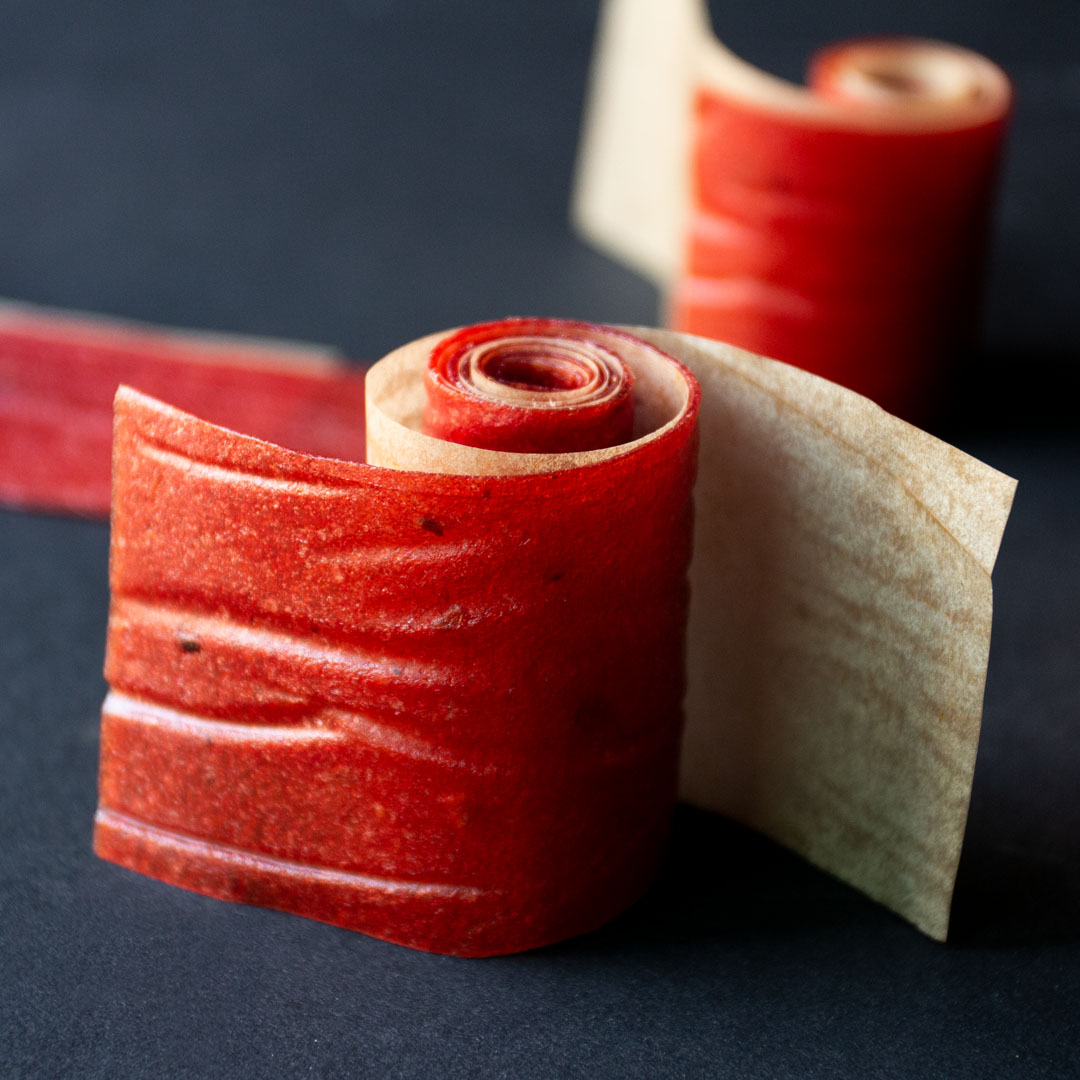
Watermelon Fruit Roll-Ups

We can’t believe it’s October already! Halloween is around the corner and that means A LOT of unhealthy snacks. But…we’ve got a recipe up our sleeve that will fulfil your kid’s sweet tooth like no other.

Our Watermelon Fruit Roll-Ups are an easy homemade snack. The first five ingredients in most popular store-bought fruit roll-ups are corn syrup, dried corn syrup, sugar, pear puree concentrate and palm oil.  In our case, we’ve ditched all the nasties and replaced it only with real fruit, coconut oil, and honey.

Why avoid corn syrup and palm oil?

  • Corn syrup is even more harmful than ordinary table sugar because of its high fructose content.
  • Palm oil is also a highly processed oil and is unhealthy for both us and the environment.

What about coconut oil? Is it good for you?

Coconut oil is often classified as a “superfood” because of its many benefits including:

  • Coconut oil is high in healthy saturated fats. These fats can boost fat burning and provide your body and brain with quick energy.
  • Coconut oil contains natural saturated fats that increase the good HDL cholesterol in your body.
  • Good for blood sugar and diabetes.
  • Aids in liver health.

So with just 4 simple ingredients, you’ll have the perfect healthy treat for your Halloween festivities! Happy trick or treating.


A delicious fruity treat


45 minutes prep + Up to 8 hours in the oven

INGREDIENTS

– 12 cups cubed and de-seeded watermelon

– juice of 1 lime

– 1 ½ tbsp honey

– 1 tsp coconut oil

METHOD

1. Preheat oven on the lowest temperature your oven will go with the fan setting on.

2. Chop and de-seed 12 cups worth of watermelon.

3. Blend watermelon until pureed.

4. Place a cheesecloth over a sieve and slowly pour the watermelon puree through both. You may have to stop halfway to stir gently with a spatula.

5. Keep stirring the watermelon puree until most of the water is drained and you’re left with a viscous watermelon mixture.

6. Line a sheet tray with baking paper and grease lightly with coconut oil.

7. Pour the watermelon mixture onto the sheet tray and spread with a spatula until it’s evenly spread and about 5mm thick.

8. Place in the oven and bake for up to 8 hours or until it’s dried and easy to peel off the baking paper.

9. Cut into strips with a pizza cutter or scissors and then roll up with a strip of baking paper.

Extra Tips

This recipe is fairly easy to make as it only involves blending, straining and then a long wait while it’s in the oven! However, de-seeding the watermelon takes some time so using fruit like strawberry or raspberry might be quicker. You can even put berries straight in the blender without worrying about the seeds.

Another thing to note is that if you have a dehydrator at home, it’s better to use that so your oven is not on for so long. It’s also safer to just leave on and go out for the day – the process is so slow and there’s little concern for overcooking. An hour either side won’t make much difference!
Watermelon Fries with a Sweet Yoghurt Dip

It’s been a few weeks since we posted our last recipe and we apologise! With the kids being back at school, and people are back from their summer holidays… let’s just say we’ve been a little busy. 

On that note, we wanted to give you some ideas to start the school year off on a healthy and happy note.

Finger Fruit, the perfect little bowl of goodness for back to school lunches or simply as a delicious snack. These watermelon fries are all we can think about and we highly recommend them, especially with the sweet and zesty dip! Oh…did we mention that it’s super easy to make?

Without further ado, we wish you a fruitful start to the new school year and hope you enjoy our latest recipe!


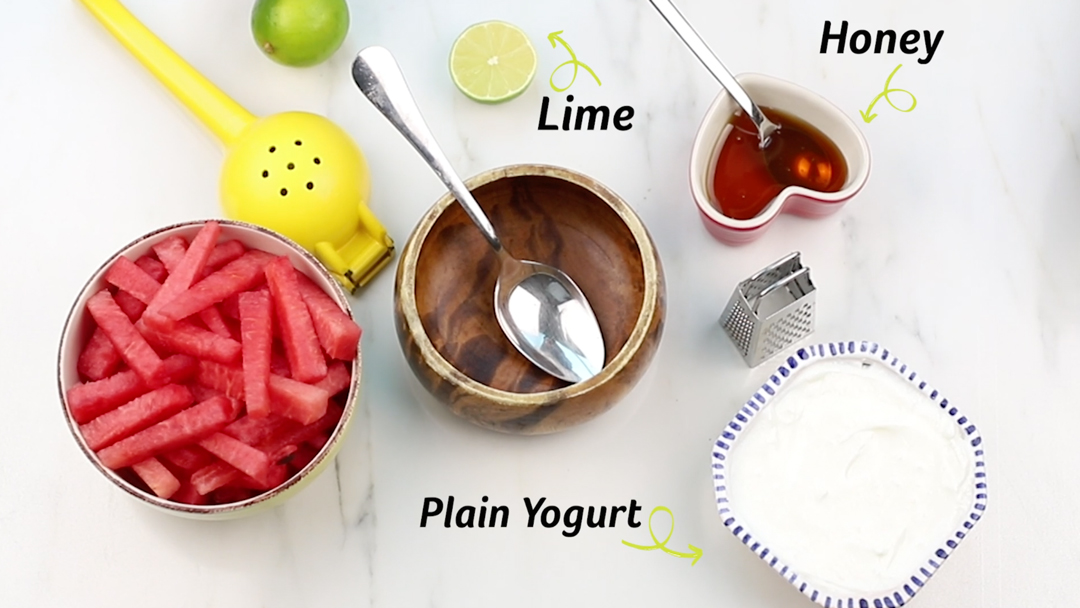
INGREDIENTS 

Half a watermelon is essential (haha/wink)

Plain yoghurt

1 lime

A spoonful of honey (or as much as you want)


Makes1 serving 


Cut watermelon into long fry size wedges (2cm wide) 

Mix ½ cup yoghurt with a spoon of honey, ½ a lime and lime zest. 

You can also add vanilla or cinnamon for more flavour. If you have a picky eater, you can simply add honey to yoghurt.


And…enjoy!

Peach Salsa

It’s crazy to think that the summer is almost behind us! We hope that you’ve had an amazing time whether you were here in the UAE or traveling the world. At Fruitful Day, we always look forward to the summer as it’s when stone fruit is in season and we get the most delicious peaches, nectarines, and apricots from the region.

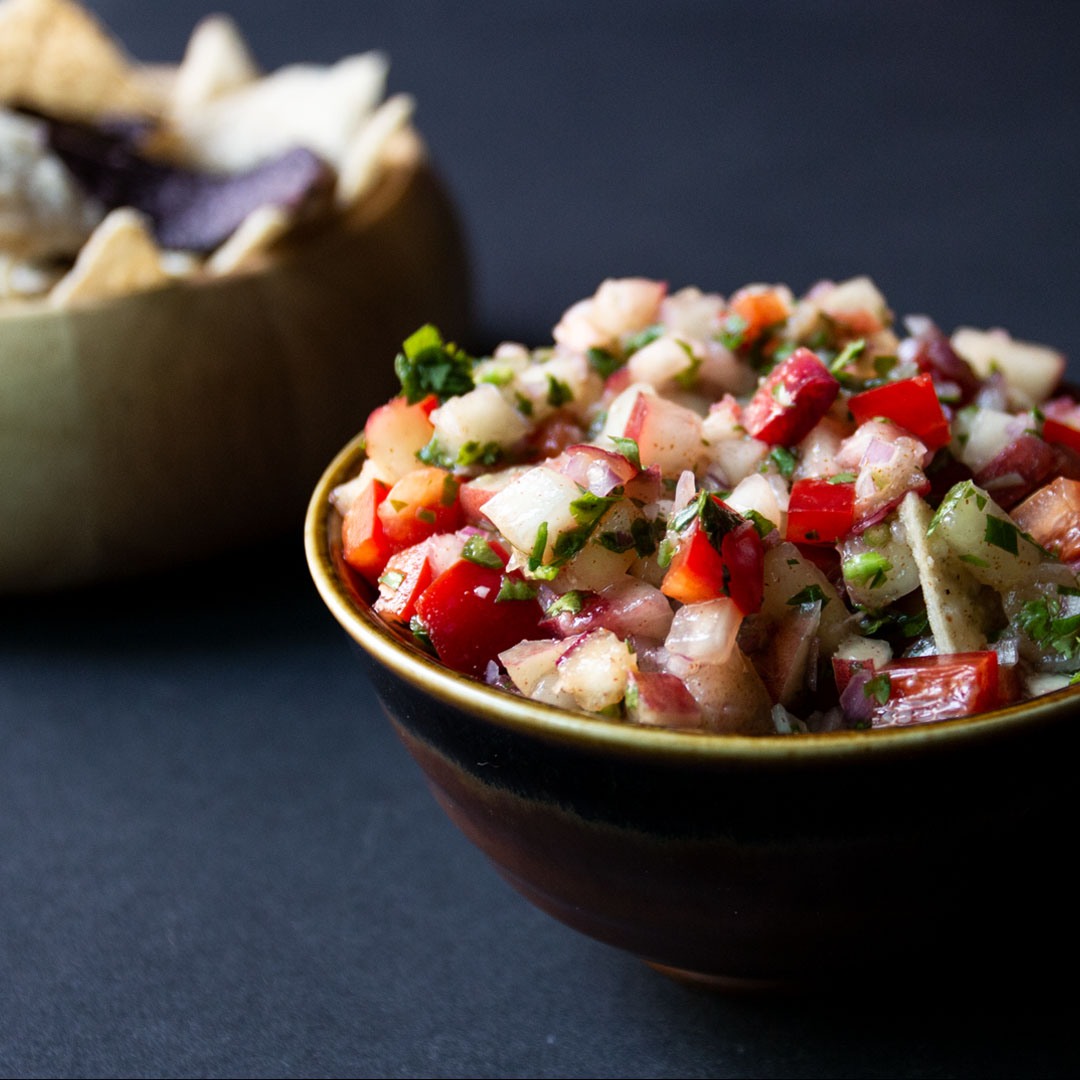
Before summer escapes us, we wanted to share a recipe that is easy to make and super delicious poolside snack. A twist on a classic tomato salsa, a peach salsa is a great way to eat seasonal. Make a batch, store it in the fridge and avoid all the sugar, preservatives, and dehydrated vegetables in the the store bought version.

If you’re eating your peach salsa with tortilla chips, read the ingredient label before selecting which bag to buy. Most corn tortilla chips are made using highly processed oils, however, some brands use better quality oils like coconut oil. Look out for Non-GMO, organic corn chips. You may even find some brands which are made with sprouted grains such as millet and quinoa and are a great alternative to regular corn tortilla chips. You can also skip the chips and serve it over fish or chicken, added to burrito bowls or used as a garnish on tacos!

We hope you love this recipe as much as we do and check back soon as we have some great back-to-school recipes coming soon.

Peach Salsa (makes two small bowls)  

Preparation time: 30 minutes

Ingredients

  • 5 peaches and/or nectarines
  • 5 shallots
  • ½ red bell pepper
  • 1 handful of coriander
  • Juice of 2 limes
  • Salt & Pepper to taste
  • ¼ tsp smoked paprika

Method

  1. Pit and dice all peaches and nectarines.
  2. Peel and dice the shallots.
  3. De-seed the bell pepper, cut in half and then dice one half only.
  4. De-seed and then finely dice the two green chili’s.
  5. Wash and finely chop the coriander.
  6. Add all the prepared ingredient to a bowl.
  7. Squeeze a two limes and add to the bowl.
  8. Add salt, pepper and smoked paprika until fully incorporated.


A Guide to Sugar

You may have heard the phase ‘but sugar is still sugar’, especially in the low carb and paleo communities. You may have also stumbled across evangelical fruitarians who eat nothing but fruit and claim amazing health benefits from doing so. As with most things related to nutrition, a balanced approach is what makes most sense.

What type of sugar is in fruit? 

The sugar in fruit is made up of a combination of sucrose, glucose and fructose. Each fruit contains slightly different combinations of these sugars. Although these sugars may sound ‘bad’, there are some critical points that make them different to how they appear in isolated forms:

  • The fibre and water in fruit increases satiety. This makes us much less likely to over consume fruit compared to say, cookies and chocolate. Fibre also feeds our healthy gut bacteria, helps to reduce inflammation, slow the absorption of simple sugars that will spike our insulin and even binds to toxins in the digestive tract.
  • Fruit is full of vitamins and is also a good source of minerals. Grapefruit, for example, contains Vitamin A, Vitamin B, Vitamin B2, Vitamin B6, Vitamin C and Folate (folic acid).
  • Fruits contain a wide range of phytochemicals that play many roles in keeping us healthy. These phytochemicals give fruit it’s distinctive colour and scent but also help to reduce inflammation, decrease DNA damage in white blood cells, help maintain elasticity of blood vessels and provide antioxidants.

Aside from consuming sugar in fruits, raw honey and maple syrup are also nutritious and delicious! Raw honey contains small amounts of vitamins A, B1, B6, B9, B12, C, D, and E, as well as calcium, sodium, phosphorus, magnesium, silicon, iron, manganese, and copper. Maple syrup contains small amounts of manganese and zinc.

The closer a sugar is to being in it’s natural form, the more likely it is to be nutritious. The more processed a sugar is, the more stripped of nutrients and the more likely your body will react to it negatively. Many of the processed foods we consume in the modern day are totally foreign to our body as they don’t appear anywhere in nature.

Examples of sugars that aren’t healthful:

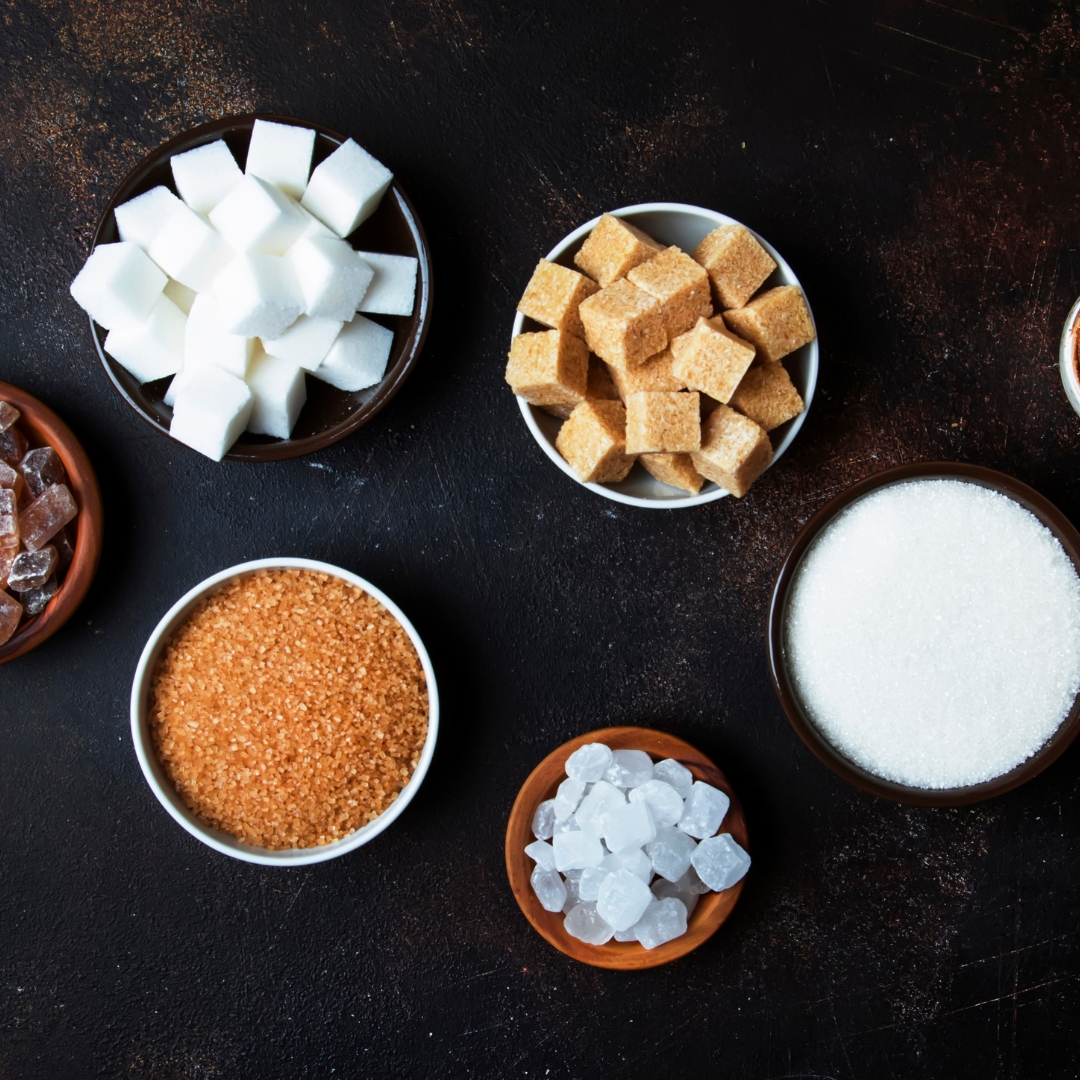
  • White tables sugar, brown sugar and turbinado sugar contain almost no micronutrients and no fibre or water to slow down the inflammatory insulin response. This is why eating a cookie or chocolate bar is totally different to eating a piece of fruit, even though the sugar itself is also made from glucose and fructose.
  • High fructose corn syrup also contains no micronutrients, however, the way it affects our body’s is far more sinister than white table sugar. HFCS has been associated with a myriad of health problems such as fatty liver disease, increased LDL cholesterol and arterial damage. It has even been show to be contaminated with mercury. HFCS is often the sugar used in sodas which is dangerous because drinking sugar is far more harmful that eating it. Again, this relates to the lack of fibre and the fact that people don’t compensate by eating less despite drinking an extremely calorific and sweet drink. In fact, studies have shown that people are driven to consume even more food than they would if the sugary drink wasn’t consumed.
  • Artificial sweeteners and sugar alcohols such as aspartame, saccharin, sucralose, xylitol and sorbitol are often used by diabetic people because they are low on the glycemic index so have less affect on your insulin response. Many people report gastro distress upon consuming these sweeteners and studies show a negative affect on our microbiota. These sweeteners can (ironically) cause glucose intolerance, alter the hormones associated with appetite control, impair neurological function and cause metabolic changes in the baby of a pregnant mother. They have not even been proven to help weight loss (assumedly why many people consume them), so really have no upsides at all.

As with all nutrition advice, there’s no one size fits all answer. If you are someone suffering from diabetes or blood sugar dysregulation, even fruit may negatively impact you. In this case it’s best to choose low glycemic fruits such as blueberries and cranberries, rather than mangoes or peaches. There is actually a study on how blueberries can help increase insulin sensitivity! Click here to access the study: https://www.ncbi.nlm.nih.gov/pmc/articles/PMC5187542/

People with candida may also want to limit fruit intake as sugar will only feed the yeast. The same goes for those suffering from dysbiosis. However, it’s clear that not all sugar is created equal and fruit is by far the most healthful way to consume sugar!

Microgreens: What, Where, and Why!

WHAT ARE MICROGREENS?

Microgreens are a green vegetable harvested when they are just a few inches tall and after the very first leaves (cotyledon leaves) have developed from the seed.  At this point, all the nutrients needed to grow the entire plant are concentrated in the tiny leaves, making them 4-6 times more nutritious than the mature plant.

Microgreens are packed with antioxidants and other health promoting nutrients and are a particularly rich source of vitamins C, E, K, lutein and beta-carotene. They are also bursting with flavour and are loved by chefs and home cooks alike for the way they enhance the look and taste of dishes.

We are excited to be including samples of micro greens in all discovery boxes during the week of Saturday, June 22nd. The mix that will be included is called “Rainbow Mix”. These micro greens will be available as an add-on to our boxes going forward.

WHERE DO THESE GREENS COME FROM?

The microgreens in your box are supplied by New Leaf, a Dubai based indoor farm. They grow in organic soil without using any pesticides or chemicals and ensure optimal growing conditions by controlling light, temperature, humidity and carbon dioxide. This means that they use 95% less water than traditional farming and can grow throughout the year.

WHY IS THIS IMPORTANT?

Up to 85% of our food in the U.A.E is imported. It has travelled many miles before it reaches us and is grown for shelf life rather than for taste and nutrition. Having access to these greens supports the health of individuals, the blossoming agriculture community in the U.A.E and the environment.

HOW CAN YOU USE MICROGREENS?

  • On salads, as an addition or the main event
  • In green juices, smoothies and shakes
  • In sandwiches, burgers and wraps
  • In soups, omelets and stir fry’s
  • To make pesto, sauces and vegetable purees
  • As a garnish to add texture, colour and flavor


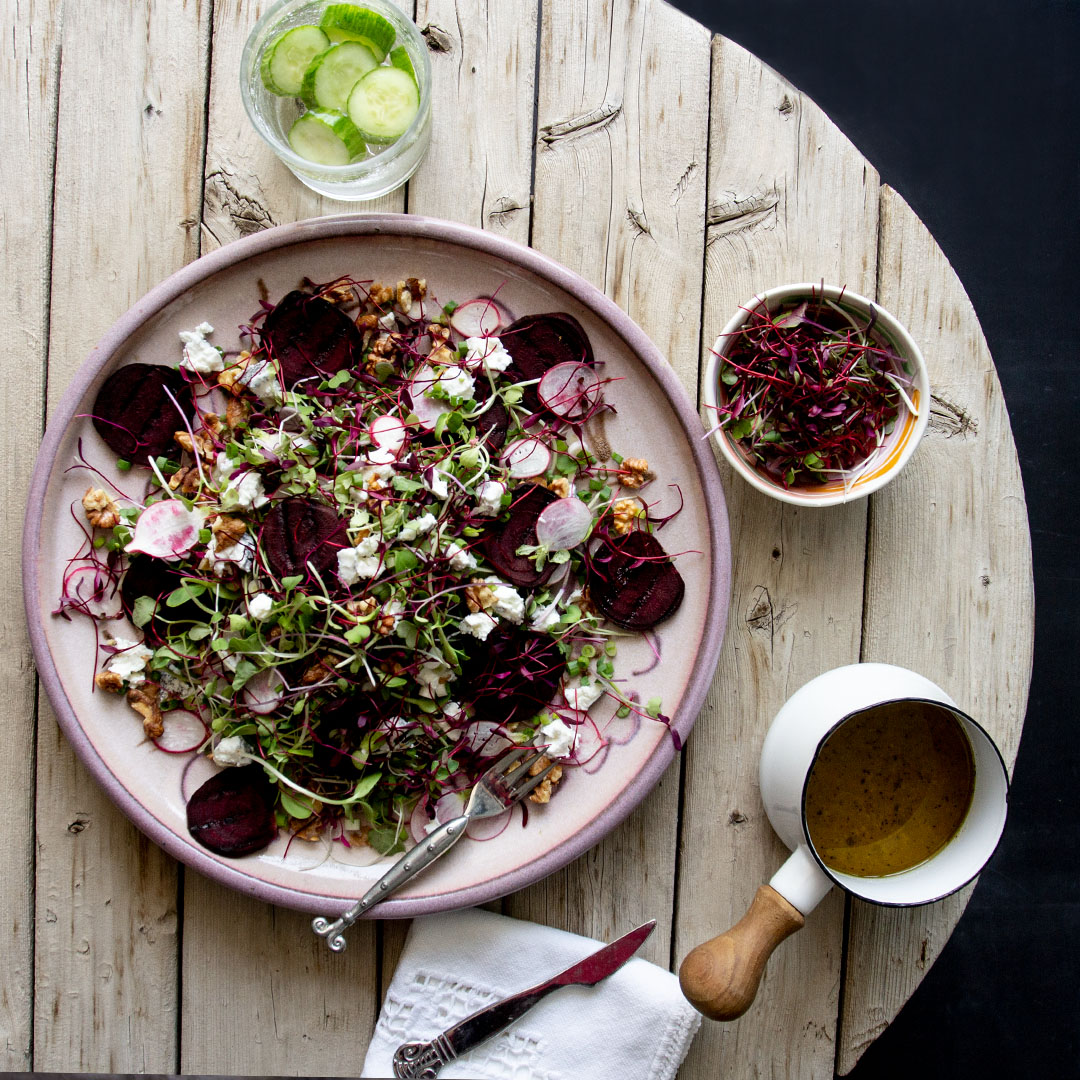
Microgreen Beetroot, Walnut & Goats Cheese Salad

25 minutes (serves 4 as a side salad)

Ingredients for the salad:

  • 40g mixed microgreens from the Fruitful Day Box
  • 2 small beetroots
  • 4 small radishes
  • 50g walnuts from the Fruitful Day Box
  • 90g goats cheese
  • 3 small spring onions

Ingredients for the dressing:

  • ½ cup olive oil
  • 1 tsp lemon zest
  • 1/3 cup lemon juice
  • 4 garlic cloves
  • ¼ tsp salt
  • pinch of black pepper
  • 2 tsp grainy mustard
  • 2 tsp honey

METHOD for the salad:

  1. Peel beetroots and then slice into 5mm slices.
  2. Place a griddle on medium heat and sear each slice of beetroot slowly for 10-15 minutes, turning half way. Alternatively, you can bake the slices in the oven for the same amount of time at 180 degrees celsius. Set aside.
  3. While the beetroots are searing, toast the walnuts by putting them in the oven on a baking tray for 6 minutes at 180 degrees Celsius. Set aside.
  4. Slice spring onions and radishes. Set aside.
  5. Assemble by putting the microgreens in a bowl first and then tossing in the seared beetroot, sliced radishes and spring onions and then top with the toasted nuts and chunks of goats cheese.

METHOD for the dressing:

  1. Dice the garlic and set aside.
  2. Put the olive oil in a small saucepan on low heat and then add the diced garlic. Cook the garlic slowly and gently and then remove from the heat (optional step).
  3. Mix together the olive oil and garlic mixture, add the lemon juice, lemon zest, salt, black pepper, grainy mustard and honey. Stir rigorously.


    Dates stuffed with sunbutter

    First and most importantly, Ramadan Kareem from the Fruitful Day team! It’s always a magical time of year to spend with family and friends, but it’s equally important to keep health in mind during the Holy Month. Fasting or not, it is easy to get dehydrated with the temperatures steadily on the rise. Make sure to hydrate as much as you can at night and think about foods that will keep you full for longer.  

    Amongst the foods that will keep you fuller for longer are foods high in protein.  Peanut butter is of course one of the more well-known high protein foods, but many kids and adults aren’t able to eat it because it contains nuts. For this reason, sunflower seed butter is actually a great substitute!

    Sunflower seed butter is full of healthy fats, vitamin E, and magnesium, which has the added benefit of helping you with your digestion.  

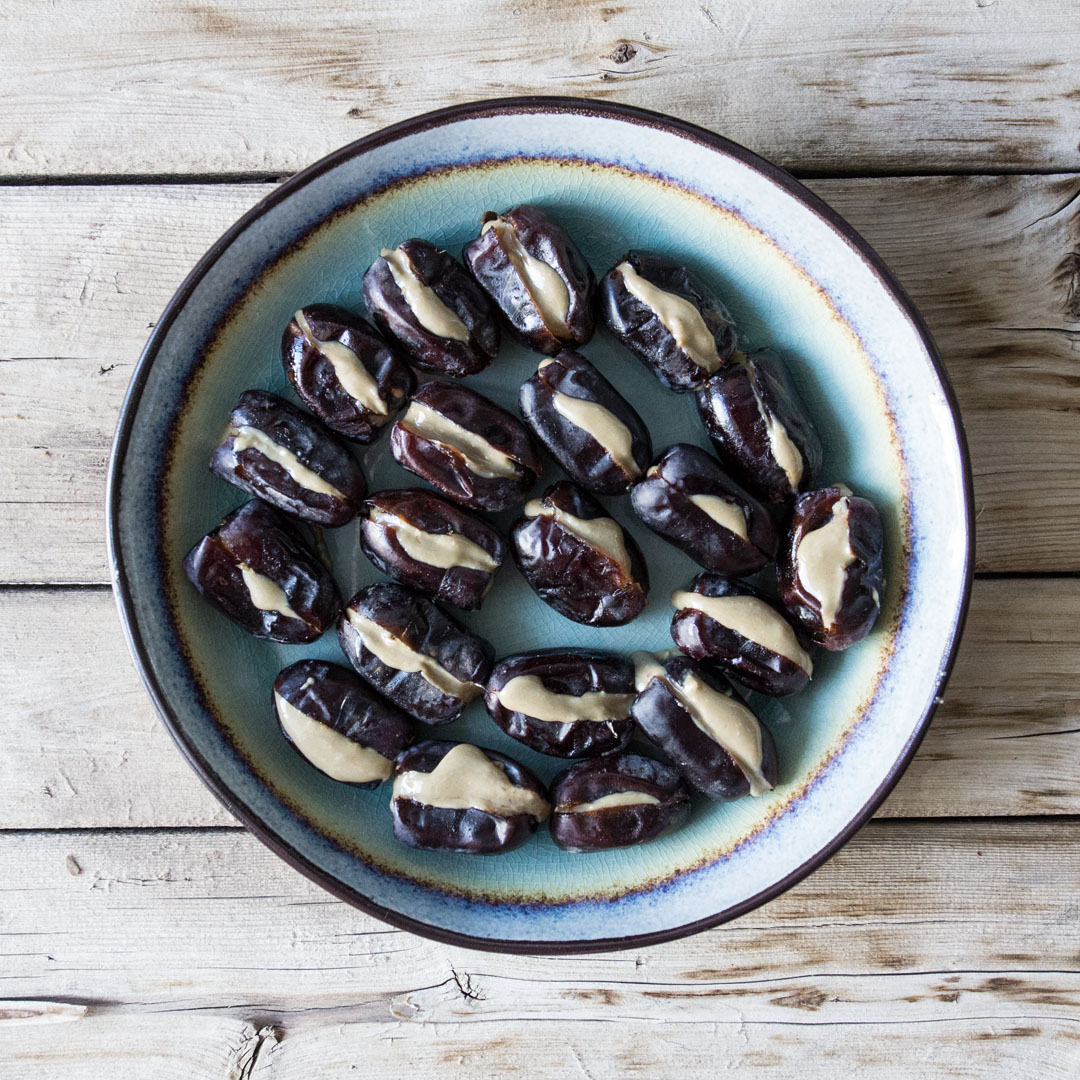
    Today’s recipe is a super simple snack, dates stuffed with sunbutter! In addition to the sunbutter, dates are good source of vitamins and minerals. Perfect for breaking your fast and getting you on your way to a healthy Ramadan!

    Dates stuffed with sunbutter (sunflower seed butter)

    20 minutes (depending how many dates you want to do)  

    Ingredients

    • Dates
    • Sunflower seed butter

    METHOD for the biscuit

    1. Cut each date open with a sharp knife, however, don’t cut it all the way through the date.

    2. With a small teaspoon, spoon out a small amount of sunflower seed butter and put it into the space where the seed was.

    3. Close the date and consume immediately or leave to set in the fridge.

    Apricot & Apple Muffins

    Welcome back! For a lot of us, it’s back to school this morning and that means the usual stress of filling lunchboxes.

    At Fruitful Day, we’re all about finding ways to make healthy delicious AND convenient. Besides delivering you boxes of the most delicious fresh fruit, we also share lots of healthy recipes with you crafted by our resident nutritionist, Michelle. If you haven’t heard of Michelle before, you can read more about her here.

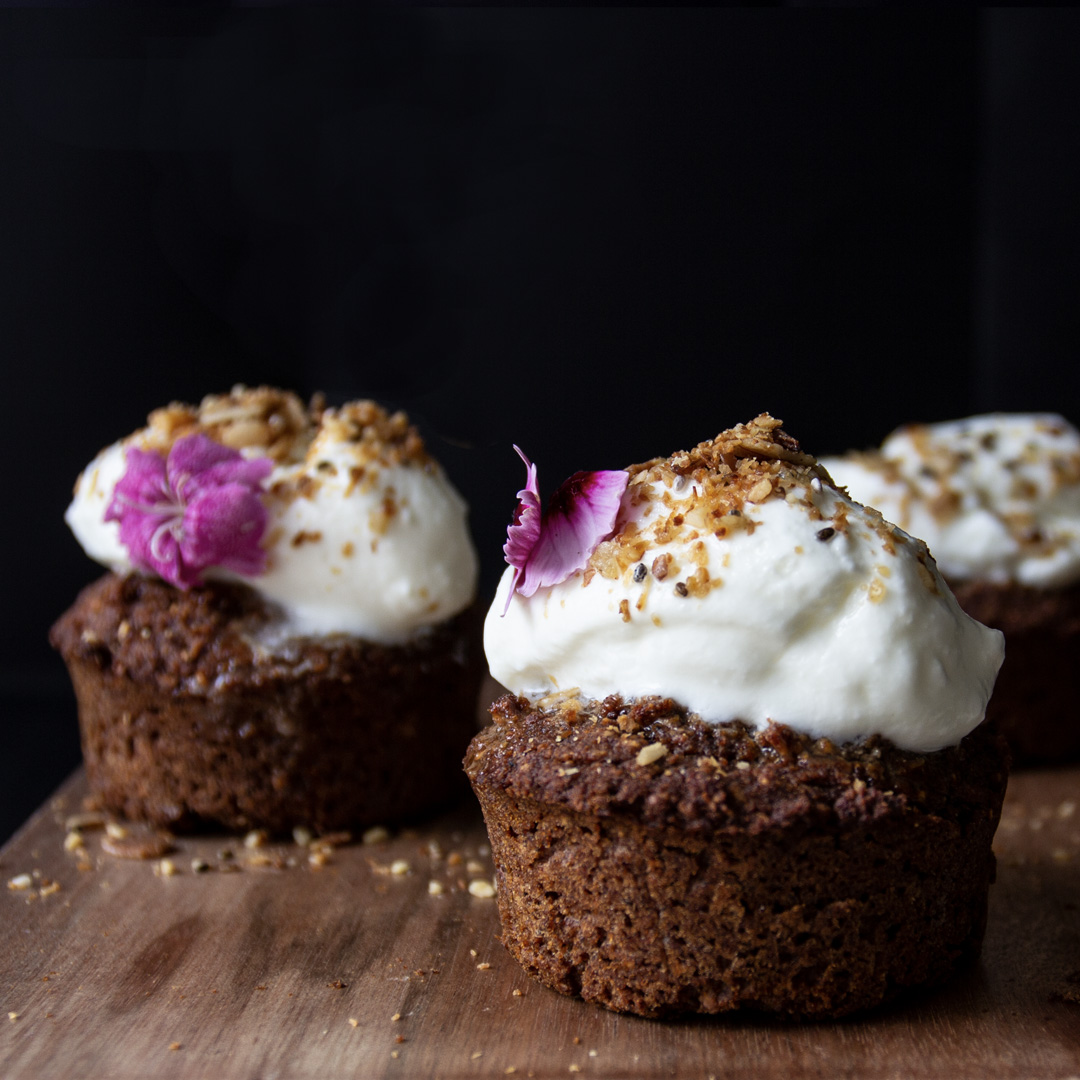
    Today’s recipe is VEGAN apricot and apple muffins. Generally, eggs are used for binding and structural support in a recipe as well as adding moisture and richness, however, there are several ways you can replace eggs to make a recipe vegan:

    To replace one egg:

    1. Flax – Add 1 tbsp of ground flax to 3 tbsp hot water and combine to form a gel.
    2. Chia – Add 1 tbsp of ground chia to 3 tbsp hot water and combine to form a gel.
    3. ¼ cup applesauce – peel, core and quarter apples. Bake them for 15 – 20 minutes at 180 degrees C or until very soft. Place in a blender while still hot and puree into applesauce.
    4. ¼ cup mashed banana.

    However, the replacement you choose will depend on what you’re making!

    • Flax and chia are better when you need strong binding agents
    • Applesauce, on the other hand, adds a lot of moisture and flavor to a recipe – perfect for something like muffins!

    With that, we wish you a wonderful start to the week and happy baking!

    Apricot & Apple Muffins (makes 10 – 12 muffins)

    1 hour

    Ingredients

    • 1 ½ cups of oat flour
    • ¼ cup flax meal
    • 2 tbsp coconut flour
    • 1 ½ tsp baking powder
    • 1 tsp cinnamon
    • ¼ tsp clove, allspice and nutmeg
    • 1 tbsp chopped fresh ginger
    • 2 tbsp chopped dried apricots from the Fruitful Day Box
    • ¾ cup of applesauce made with apples from the Fruitful Day Box
    • ½ cup maple syrup/honey
    • 1 tbsp apple cider vinegar
    • 1 tsp vanilla powder

    METHOD

    1. Preheat oven to 160 degrees Celsius
    2. In a large bowl, mix all dry ingredients; oat flour, flax meal, coconut flour, baking powder, cinnamon, spices, vanilla powder and chopped dried apricots.
    3. Blend applesauce with maple syrup, apple cider vinegar and fresh ginger.
    4. Fold dry ingredients into the wet ingredients and pour into a silicon muffin tray or into a lined muffin tray.
    5. Bake for 20 – 30 minutes or until a skewer poked into the centre comes out clean.
    6. Allow to cool and then serve with coconut yoghurt, cream cheese or butter.

    *Note on ingredients – you don’t need to buy oat flour or flax meal. You can buy oats and flax seeds, then put them in a blender to grind into a flour consistency.

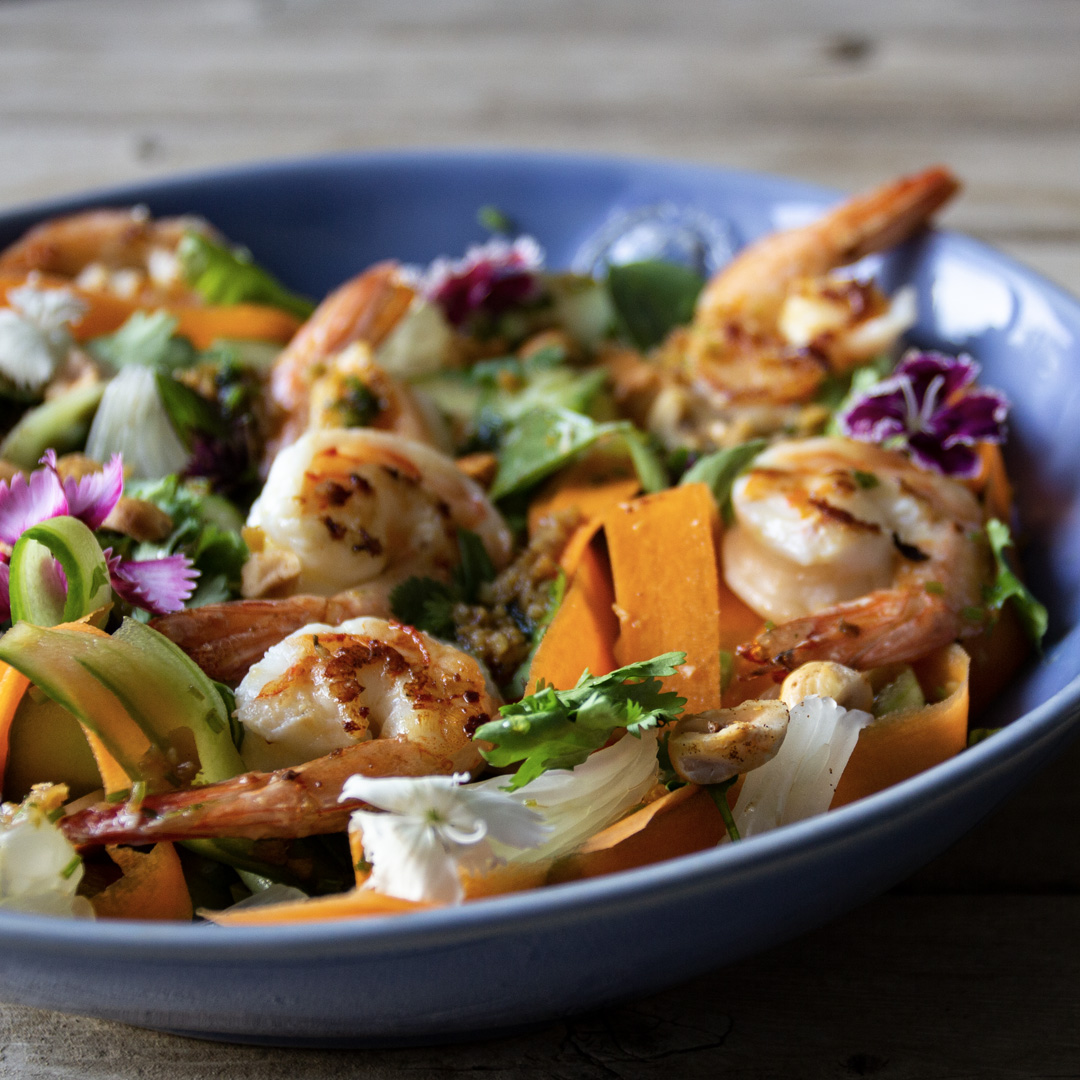
    Pomelo & Prawn Salad

    One of our favorite things about winter in the region is always pomelo, but all good things must come to an end. Like us, are you a pomelo lover too or do you have a different favorite winter fruit? 

    Therefore, before we say our final goodbyes for the season, we are paying tribute to pomelo by sharing a pomelo and prawn salad recipe.

    With the end of the winter season, we can begin to look forward to regional stone fruits including cherries, nectarines, peaches, and apricots. However, this year we’ll have to be a little more patient than usual as the cold weathers and rains have been put us a little behind schedule. As always, you can be sure we’ll be at the fruit market tasting and trying until we find the perfect stone fruit to serve you.

    For now, enjoy the last of the delicious pomelo with this pomelo & prawn salad! And just in case pomelo is not your favorite fruit… check out this recipe for a pomegranate and quinoa salad instead.

    Pomelo & Prawn Salad

    (makes a salad for two people)

    30 minutes

    Ingredients

    For the salad
    • 1 medium carrot
    • 1 medium cucumber
    • Pomelo from the Fruitful Day Box
    • 8 prawns
    • 1 handful of hazelnuts
    • ¼ tsp smoked paprika powder
    • ¼ tsp salt
    • 1 large thumb of ginger
    • 1 handful of coriander leaves
    • 1 handful of basil leaves
    • 1 small chili
    • 3 cloves of garlic
    • Edible flowers (for garnish)
    • 8 prawns (cleaned and de-veined)
    • 1 tbsp coconut oil
    For the dressing
    • 1 tbsp honey
    • 2 tbsp apple cider vinegar
    • 2 tbsp tamari
    • 1 tbsp sesame oil
    • 3 tbsp olive oil


    METHOD

    1. Preheat oven to 180 degrees C.
    2. Roast hazelnuts with salt and paprika for 5 – 7 minutes or until browned. Set aside.
    3. Put a skillet on medium heat, add coconut oil, then sauté the prawns on both sides for 5-8 minutes. Set aside.
    4. Combine all dressing ingredients.
    5. Pick the leaves off the bunch of coriander and set aside. Finely dice the stems.
    6. Finely dice the ginger (it should come to 2 tbsp), garlic and chili.
    7. Saute the coriander stems, ginger, garlic and chili on medium heat until slightly browned.
    8. Add the sautéed vegetables to the dressing mixture. Set aside.
    9. Peel carrot and then continue to peel the entire carrot to form carrot ribbons. Set aside.
    10. Make cucumber ribbons in the same way as the carrot ribbons. Set aside.
    11. Combine carrot ribbons, cucumber ribbons, coriander leaves, basil leaves, pomelo, prawns and hazelnuts in a bowl.
    12. Pour dressing over the salad and then garnish with edible flowers.

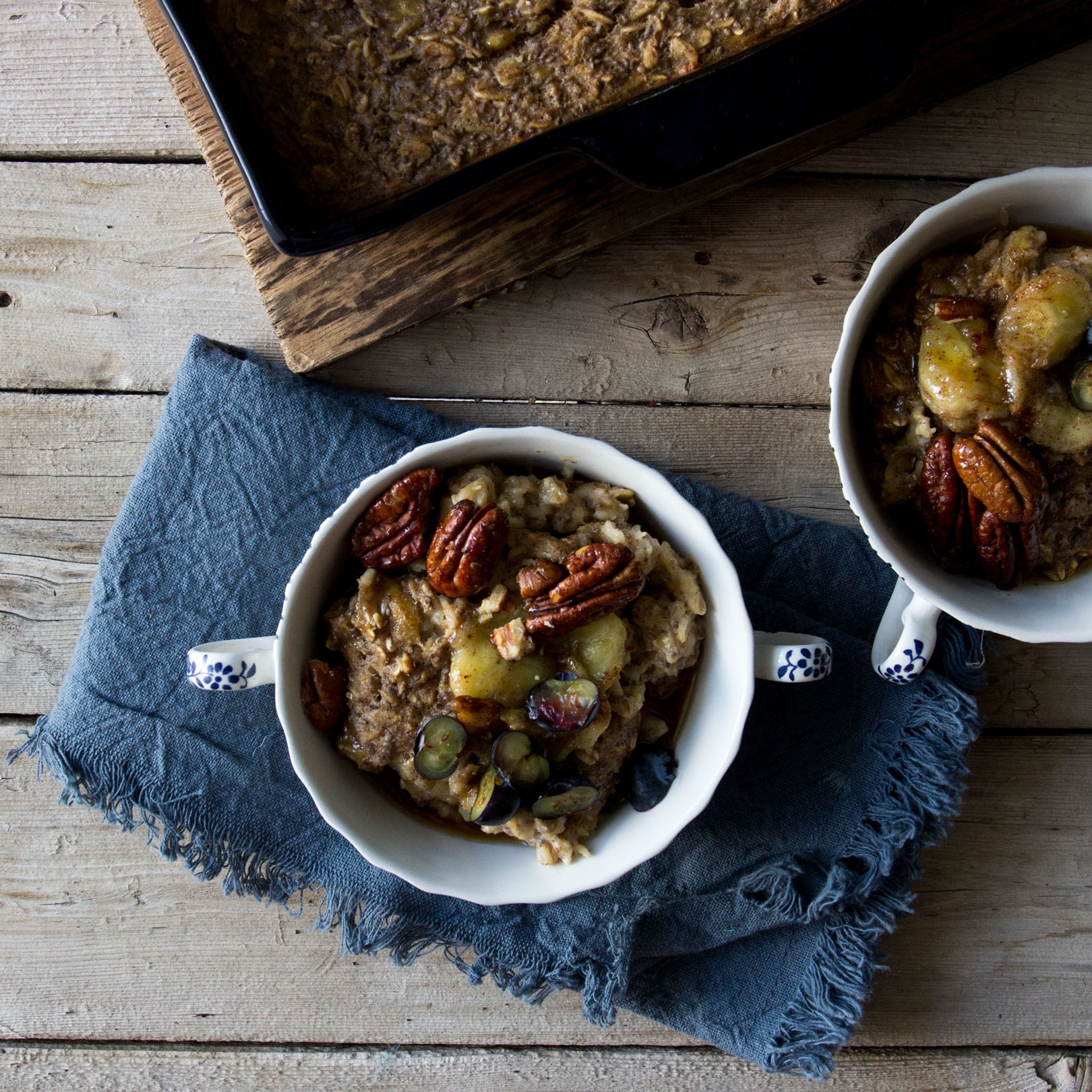
    Banana Baked Oats

    It’s a new week and for many of us the last before our kids are on holiday for a couple weeks. This quote by John F. Kennedy is our motto for the week, “Things do not happen. Things are made to happen.” With a to do list a mile long, it’s important to take time out to plan and figure out what is actually moving you towards your goals. Once you’ve got down on paper, it will be a lot easier to spend your time on productive tasks. 

    On the list of things we don’t want you to worry about is your breakfast! This simple and delicious recipe for banana baked oats is a great way to get you powered up for the day.  By baking the oats, you create a different texture than the one you may be used to, almost like a soft chewy cereal bar! By adding flax, chia and nuts, the nutritional value of this breakfast is also greatly increased. Lastly, add any fruits from the Fruitful Day box to make it both aesthetically pleasing and more flavorsome.  Add different fruits the next day for a whole new combo and you won’t get bored.  

    Now go out there and smash this week healthy breakfast and all! 

    Banana Baked Oats (makes one 23cm x 23cm baked tray)

    1 hour

    Ingredients for the baked oats

    • 2 cups of rolled oats
    • 2 tbsp ground flax
    • 3 tbsp chia
    • 2 tsp cinnamon
    • ¼ tsp nutmeg
    • ¼ tsp cloves
    • ½ tsp ginger powder
    • ¼ tsp salt
    • 1 tsp vanilla essence
    • 2 cups mashed banana from the Fruitful Day Box
    • 2 tbsp coconut oil
    • 1/3 cup maple syrup or honey (this is optional as bananas are already sweet)
    • 2 cups coconut milk, almond milk or any milk of choice

    Ingredients for toppings

    • 1 banana from the Fruitful Day Box
    • any other fruit of choice from the Fruitful Day Box
    • pecan nuts from the Fruitful Day Box

    METHOD

    1. Preheat the oven to 180 degrees C.

    2. In a large bowl, combine the oats, flax, chia, spices and salt. You can grind the flax yourself from whole flax seeds in a coffee grinder.

    3. Add the wet ingredients; mashed banana, coconut oil, vanilla essence, maple syrup and coconut/nut milk.

    4. Mix all ingredients until well combined.

    5. Pour mixture into the baking tray (lined if necessary) and bake for 30 – 35 minutes or until browned on top.

    6. While oats are baking, take another baking tray out for the pecans.

    7. Coat the pecans in honey and roast for 5 – 8 minutes or until browned. You can put them in alongside the oats.

    8. While both the pecans and oats are baking, thinly slice bananas.

    9. Place a pan on medium heat, add some butter to the pan and sauté the banana slices by cooking lightly on each side and sprinkling with cinnamon.

    10. Once oats are browned, remove from the oven and serve with cream or yoghurt. Top with caramelised banana, caramelised pecans and sliced fruit.

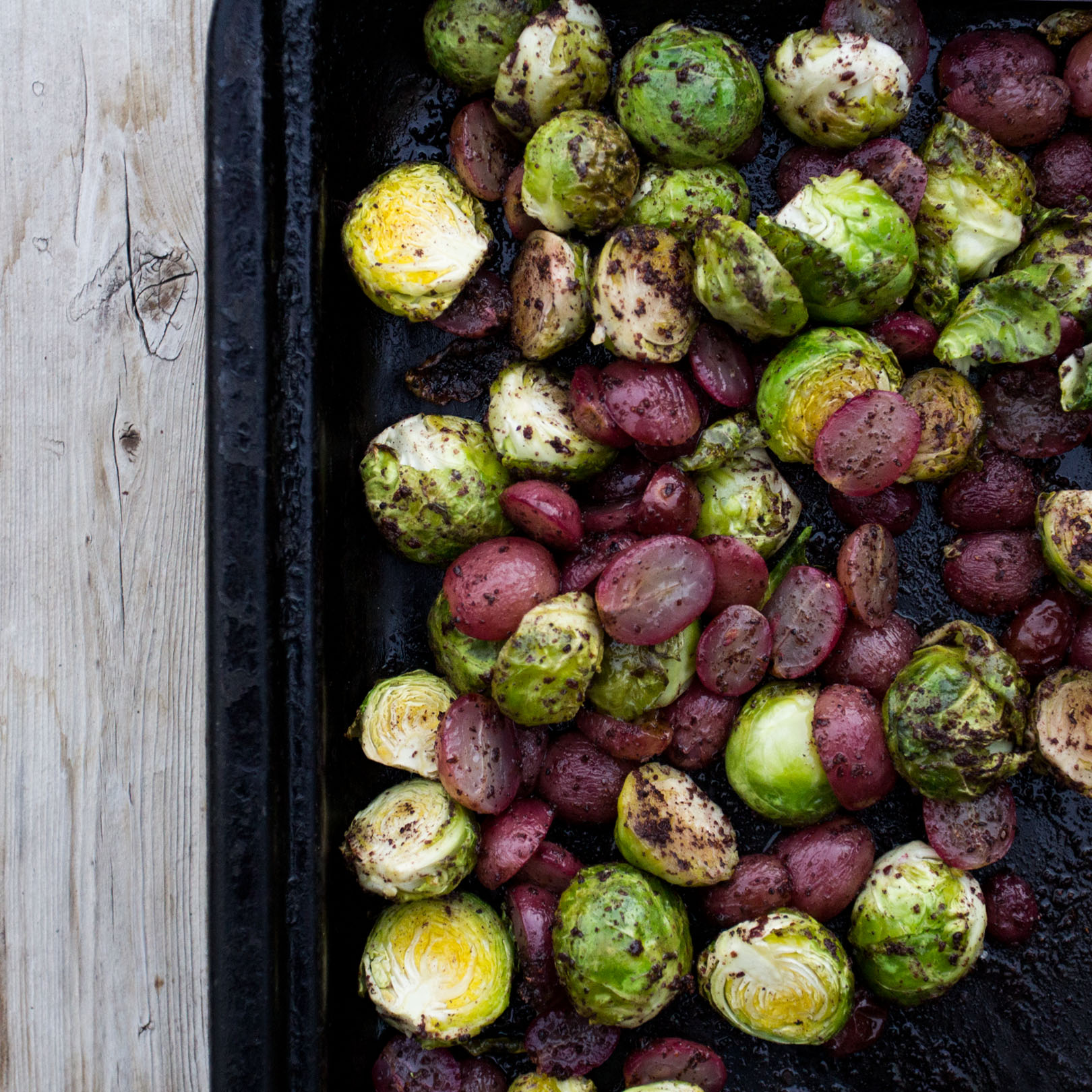
    Sumac Roasted Grapes & Brussels Sprouts

    In honor of St Patricks Day, we’re loving all things green today and that includes veggies! Fruit and vegetables always go hand-in-hand and today’s recipe is a perfect example. Sumac roasted grapes and Brussels sprouts might sound a little unusual, but we promise you’ll love this Middle Eastern twist on a traditional European festive dish. 

    Need some more convincing?  Here are some of the many health benefits of incorporating Brussels sprouts in your diet:

    • Brussels sprouts are one of the foods richest in vitamin K, which helps with blood clotting and bone health.
    • They’re also high in vitamin C, a boost for your immune system
    • Their high fiber content helps your digestive system to run smoothly
    • In addition, Brussels sprouts contain small amounts of many other nutrients such as vitamin B6, potassium, iron, thiamine, magnesium and phosphorus.

    Sumac Roasted Grapes & Brussels Sprouts (makes one roasting tray)

    1 hour 

    Ingredients

    • 2 cups of brussels sprouts
    • 2 cups red grapes from the Fruitful Day Box
    • ½ tsp sea salt
    • 1 tbsp sumac
    • 1 tbsp melted grass fed butter

    METHOD

    1. Preheat oven to 180 degrees C.

    2. Wash brussels sprouts and remove any external bruised leaves.

    3. Chop any excess stems off the brussels sprouts and cut both these and the grapes in half.

    4. Put brussels sprouts and grapes in a roasting tray or two – they brown more easily if they aren’t piled up on top of each other.

    5. Melt butter and pour over.

    6. Sprinkle sumac over the tray and combine with your hands until evenly coated.

    7. Roast for 30 minutes or until browned.